Flow the Collection · 30 June 2026
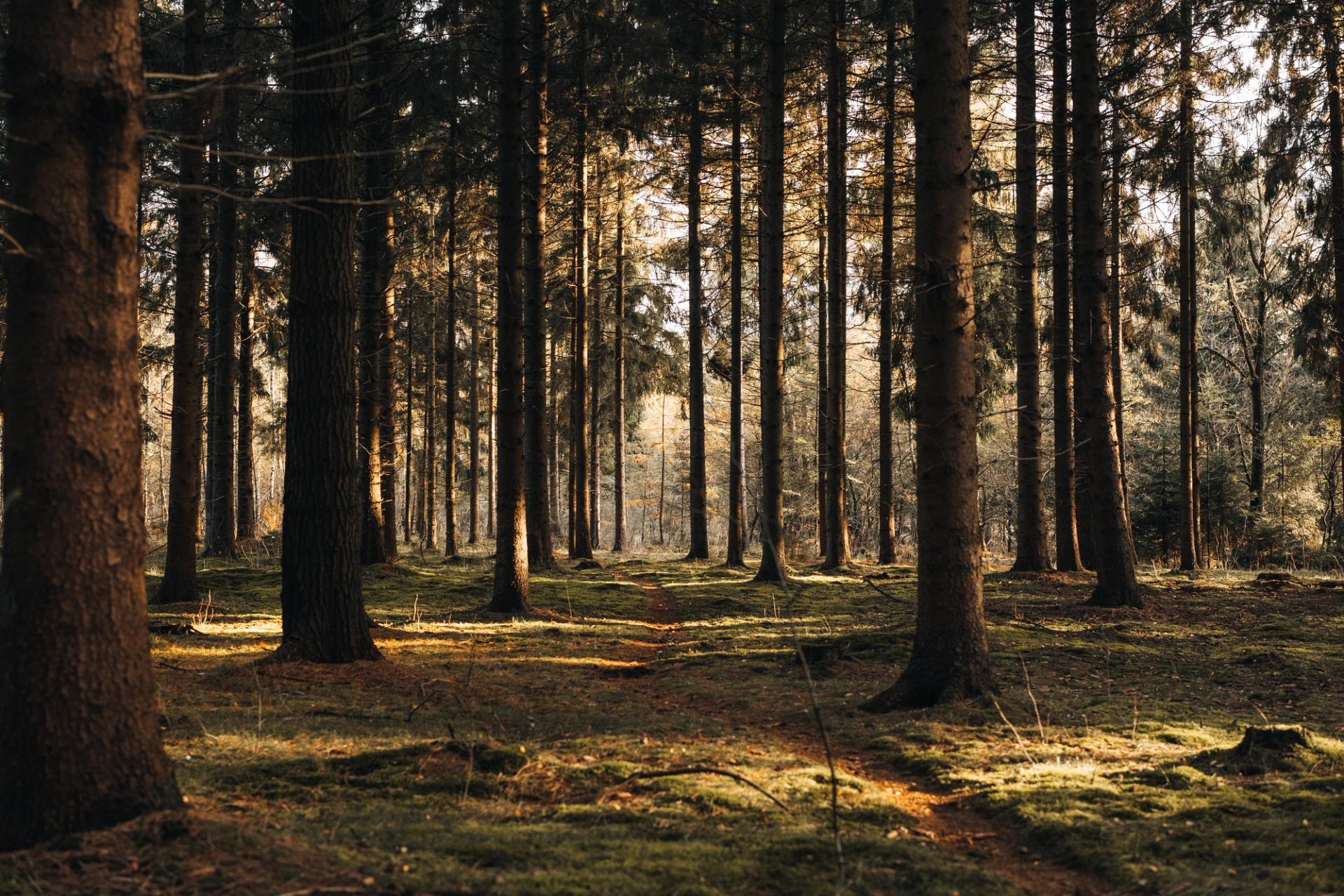
Some landscapes ask you to hurry; others ask you to stand still. The heath around Odoorn belongs to the second kind. You set out early, while the dew still clings to the bushes, and walk straight into the forest — no gate, no ticket booth, often not another soul. The wood smells of pine and warm earth, and in the distance there is only wind. The finest moment comes later in summer, when the dull brown of the heath turns to purple.
A forest of eighteen hundred hectares
Boswachterij Odoorn is larger than you'd think: some eighteen hundred hectares of forest and heath, managed by Staatsbosbeheer, the Dutch state forestry service. Oak, Scots pine and birch alternate with open heathland and patches of loose drifting sand, threaded by broad, sandy paths that almost ask to be followed. It is a landscape of transitions — from dark wood to wide plain and back again — and that variety makes every round different. On a weekday morning you share it with a woodpecker, a buzzard and perhaps one other walker.
The weeks the heath turns purple
Heather flowers only briefly, and that is exactly what makes it special. From mid-August to early September the fields colour deep purple — a haze that hangs low over the ground and hums with bees. To see it at its best you have to be there in those weeks; by September the colour is already fading. Sheep keep the heath open, for without grazing the forest would slowly take the ground back. Go early, while the light still rakes low across the tops: that is when the colour is deepest and the land at its quietest.
Ground that holds time
The heath lies on the Hondsrug, the sand ridge that has rested here since the ice age and keeps Drenthe's oldest past: glacial boulders from Scandinavia, dolmens, age-old fields. If you want to know exactly how this landscape came to be, read the story of the Hondsrug. On the heath itself you need no dates — you simply feel how old and unshakeable this ground is. Perhaps that is the real reason to come: not to see something, but to feel something.
How to walk it
The finest first encounter is the heath loop through boswachterij Odoorn, a round that strings woodland and open heath together and leads you past the loveliest views. Wear shoes that can take sand, bring water and allow plenty of time — not because it is hard, but because here you naturally slow down. Along the way the sand breaks through the heather here and there, the light filters through the pines, and mostly you hear your own footsteps.
Stay at the edge of the forest
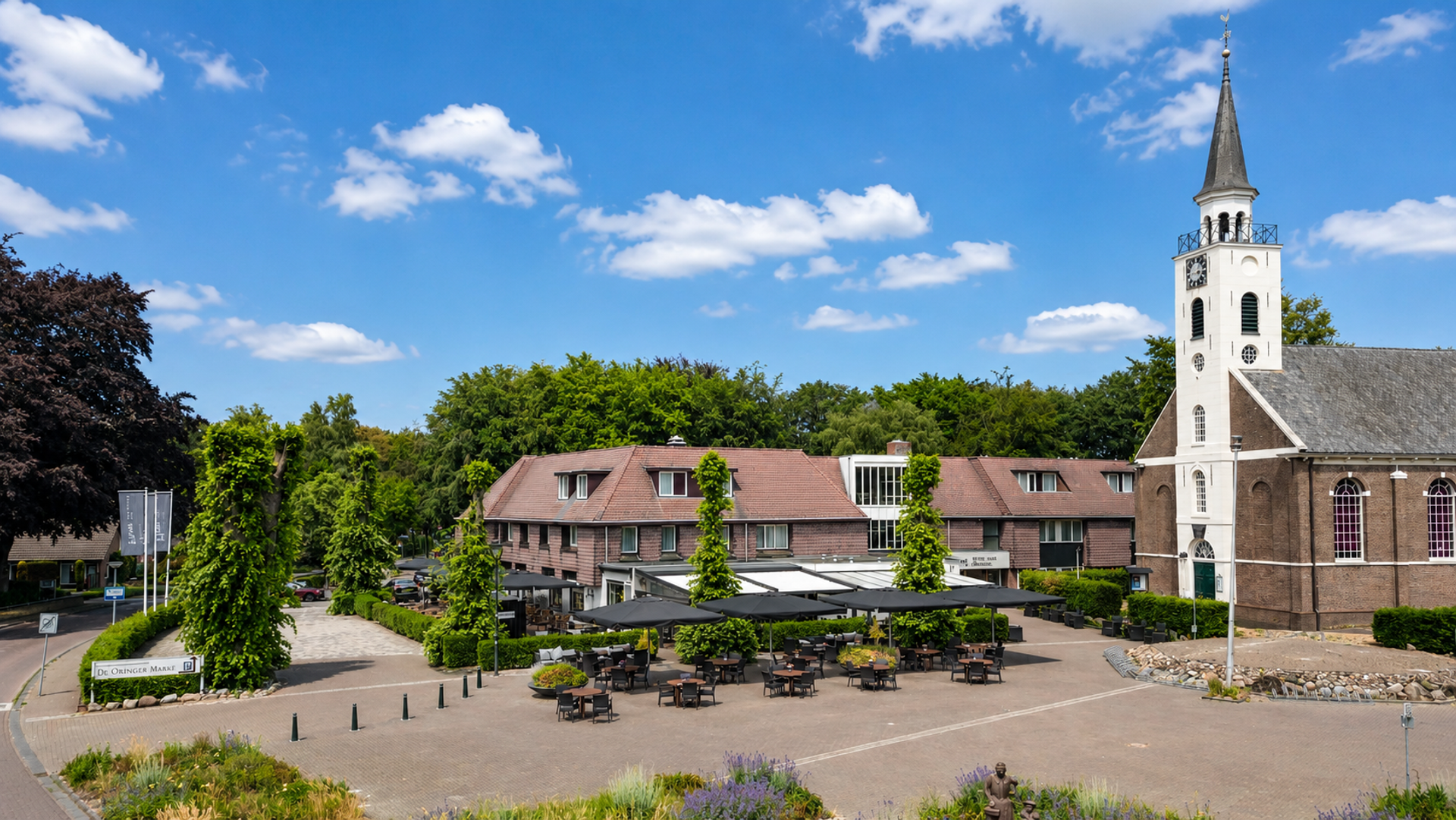
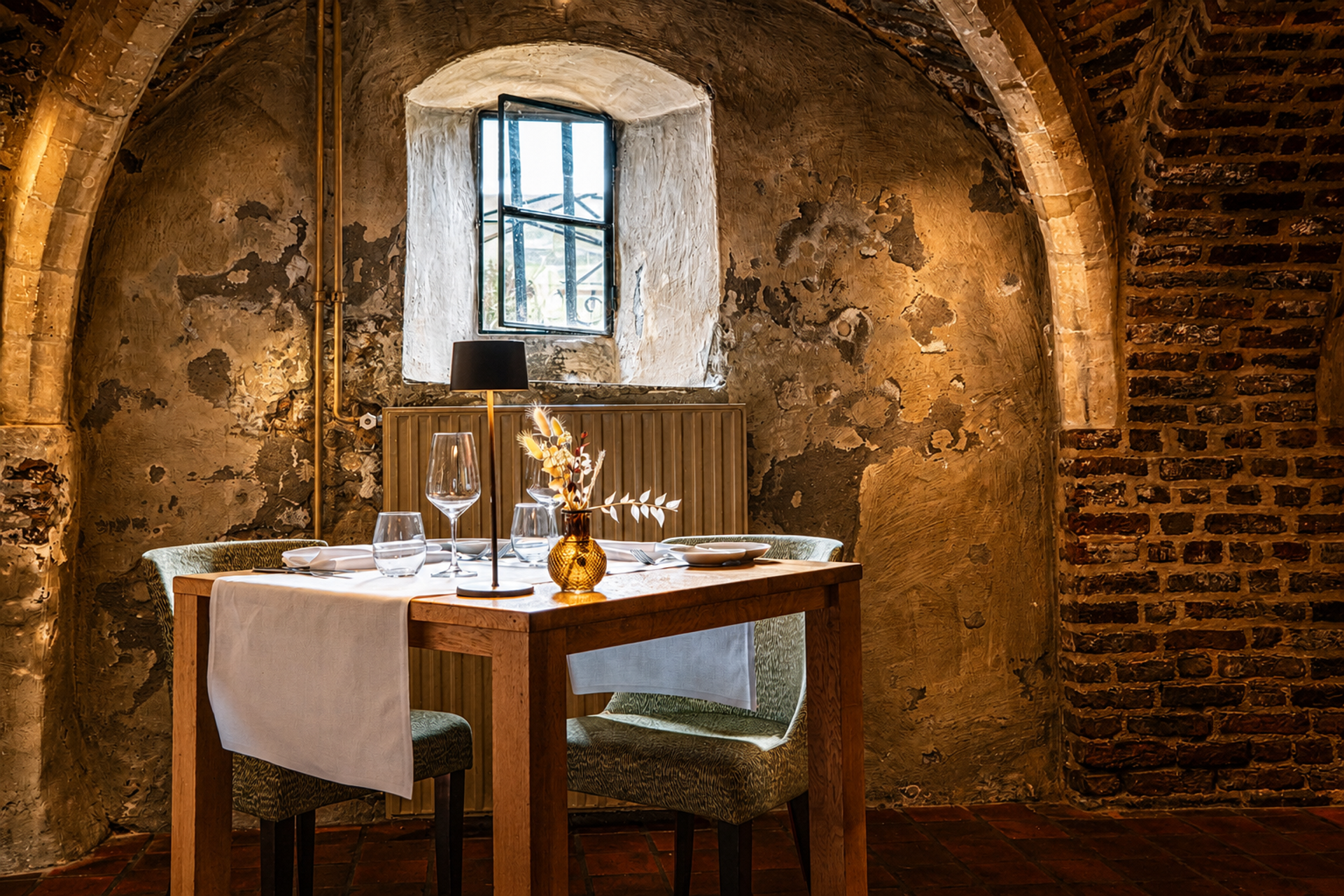
Hotel de Oringer Marke stands in the heart of Odoorn, a short walk from the forest: after breakfast you are among the trees in minutes. Turn it into a whole weekend with the overnight-and-dinner package, and come home to a laid table after your walk.