Flow the Collection · 30 June 2026
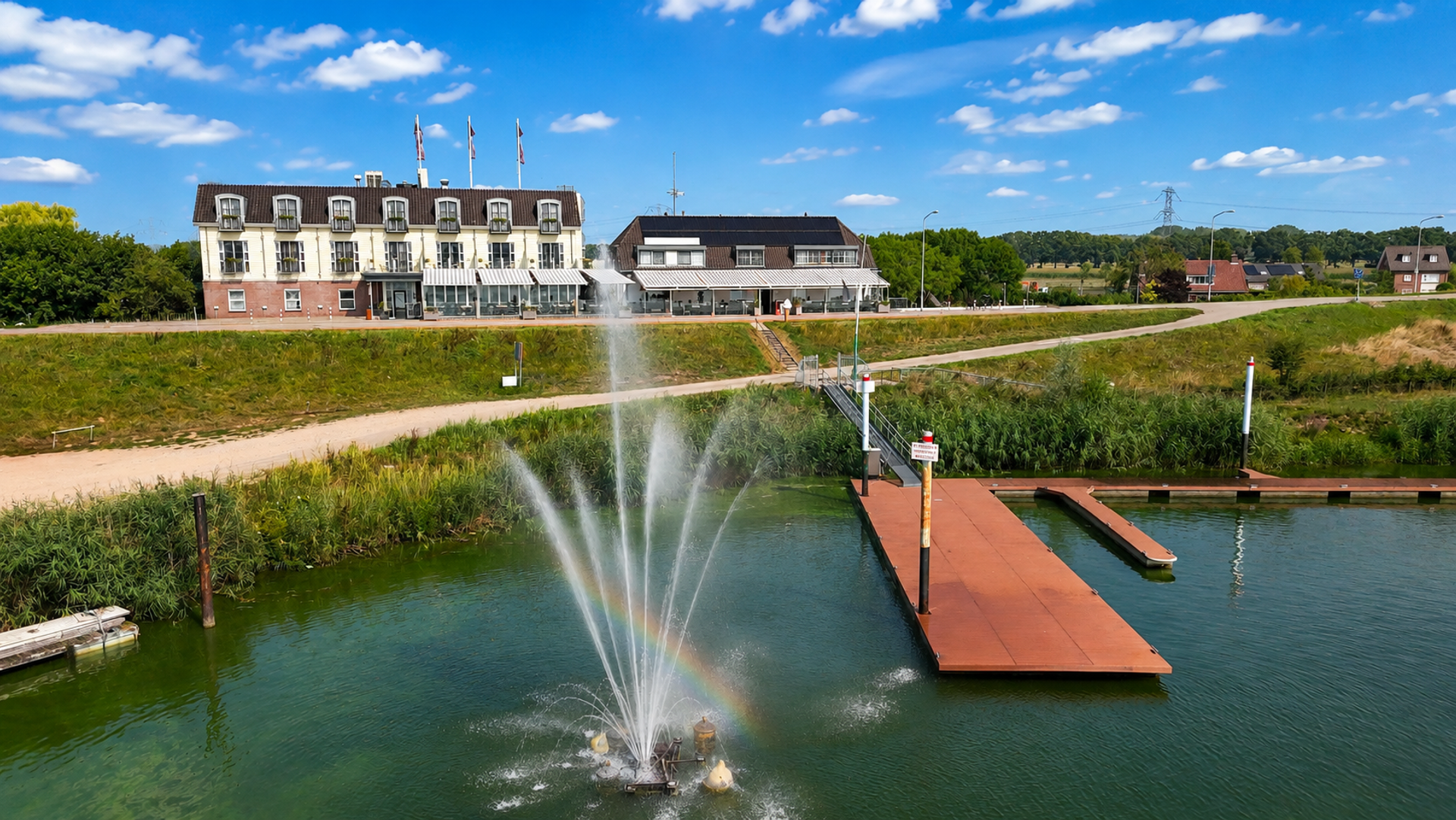
Some journeys last ten minutes. From the Maas dike at Niftrik you step onto a small ferry, the river laps under the planks, and on the far bank lies another world: the fortified town of Ravenstein, with its baroque church tower, its mill and its narrow streets. No bridge, no traffic jam, no detour along the motorway — only the water carrying you from one world to the next. In the summer months this crossing is the finest outing in the region.
A ferry that only sails in summer
The ferry between Niftrik and Ravenstein connects the two banks of the Maas roughly from May into September. It is a foot ferry in the literal sense: room for about twelve, for walkers and cyclists, not for cars. You pay a few euros, you step aboard, and the water does the rest. These days a quiet, electric ferry makes the crossing, so what you hear most is the river itself. Miss the last sailing and the way back suddenly becomes a long walk — reason enough to check the times in advance.
Over the dike to the ferry
From Hoogeerd you walk or cycle along the Maas dike to the ferry, with the floodplains of Niftrik below you: broad meadows, pollard willows and the river always in view. It is open country, so bring a jacket when the wind picks up. It is precisely that openness that makes the arrival on the other side so surprising: from the empty river land you step straight through the gate of an old town.
Ravenstein, a town from 1360
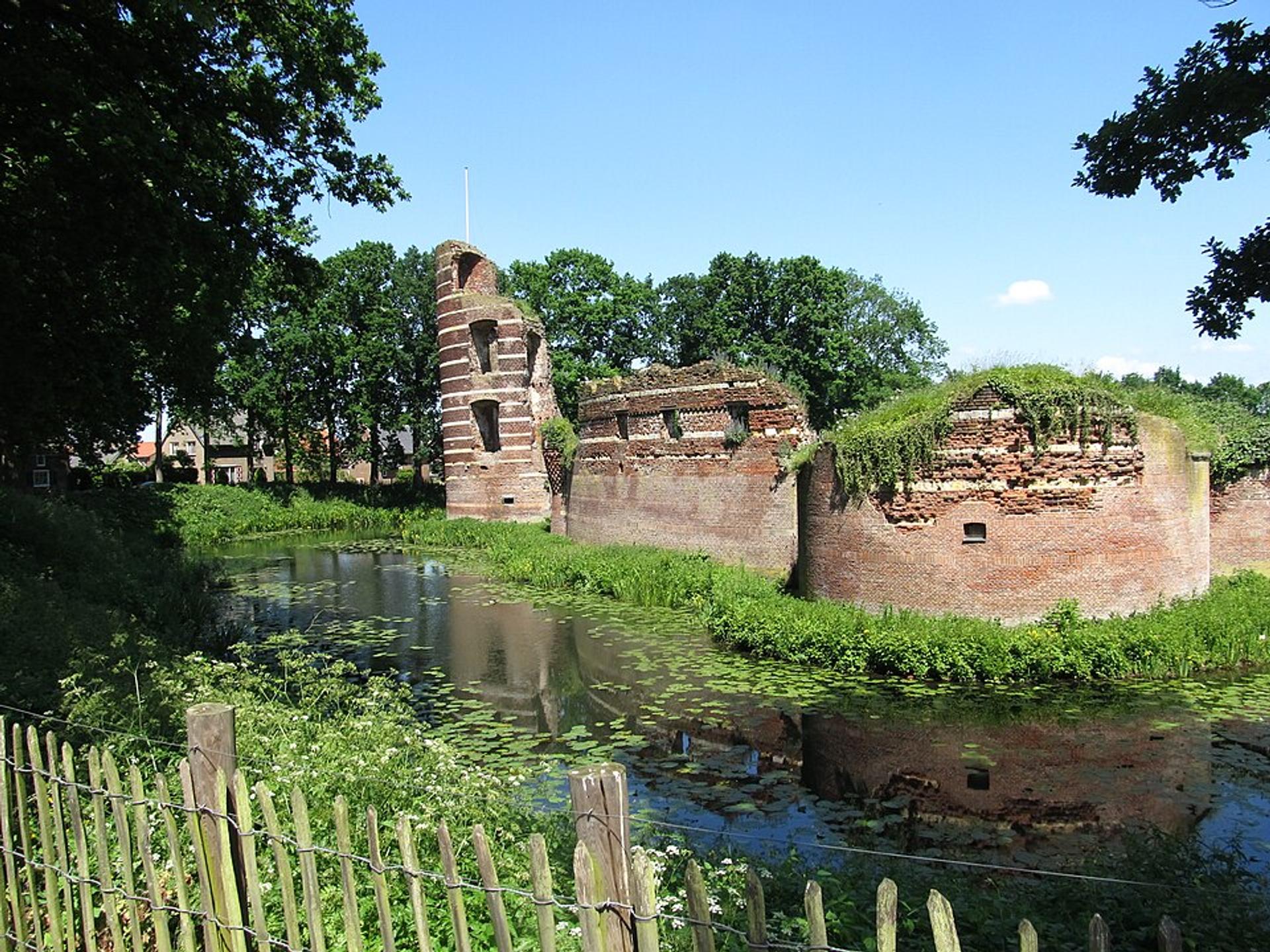
Ravenstein was founded in 1360 and grew into a walled fortified town on the Maas. For a long time it belonged to the independent Land van Ravenstein and lay just outside the grip of the Republic; that made it a refuge where Catholics, who could not openly practise their faith elsewhere, found peace. That history still sits in the stones — in the remains of the ramparts, the gate and the names of the streets.
The baroque church and the tallest mill in the country
The showpiece is the Sint-Lucia church of 1735, built in baroque style and one of the rare examples of it in the Netherlands; its construction was paid for with the proceeds of a town lottery. A little further on stands the grain mill De Nijverheid, said to be the tallest mill in the country. In between lie narrow streets, a tannery museum about the nineteenth-century craft, and enough terraces to put off the return crossing a while longer.
Make a day of it, or a night
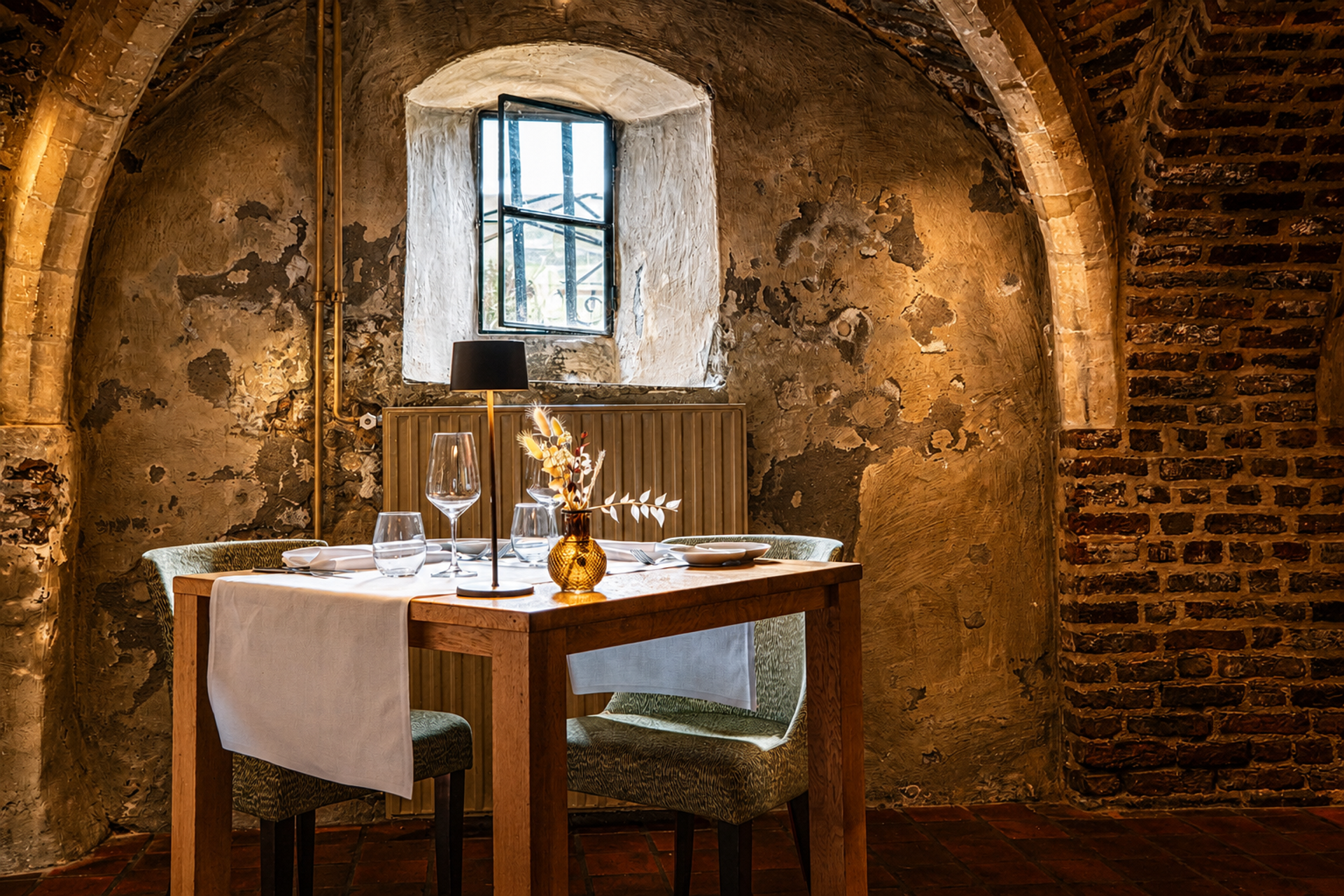
The best thing is not to hurry. Combine the crossing with lunch on the far bank and walk back over the dike towards evening. Or stay over and close the day with an overnight stay and a three-course dinner by the river. With more time, you can stretch it into a whole weekend between the rivers, with the Maas as the thread.