Flow the Collection · 11 April 2026
There are landscapes you forget quickly, and landscapes that hold on to something. The Hondsrug belongs to the second kind. Walk or cycle here and you move over ground that has lain in place since the ice age and that still shows the traces of thousands of years of people.
Made by ice
The ridge formed when a vast mass of ice pushed across the north of the Netherlands, shoving the sand and boulders ahead of it. What remained was a high, dry sand ridge — just a little higher than the wet surroundings, and for that reason the obvious place to live for centuries.
Stones that stayed
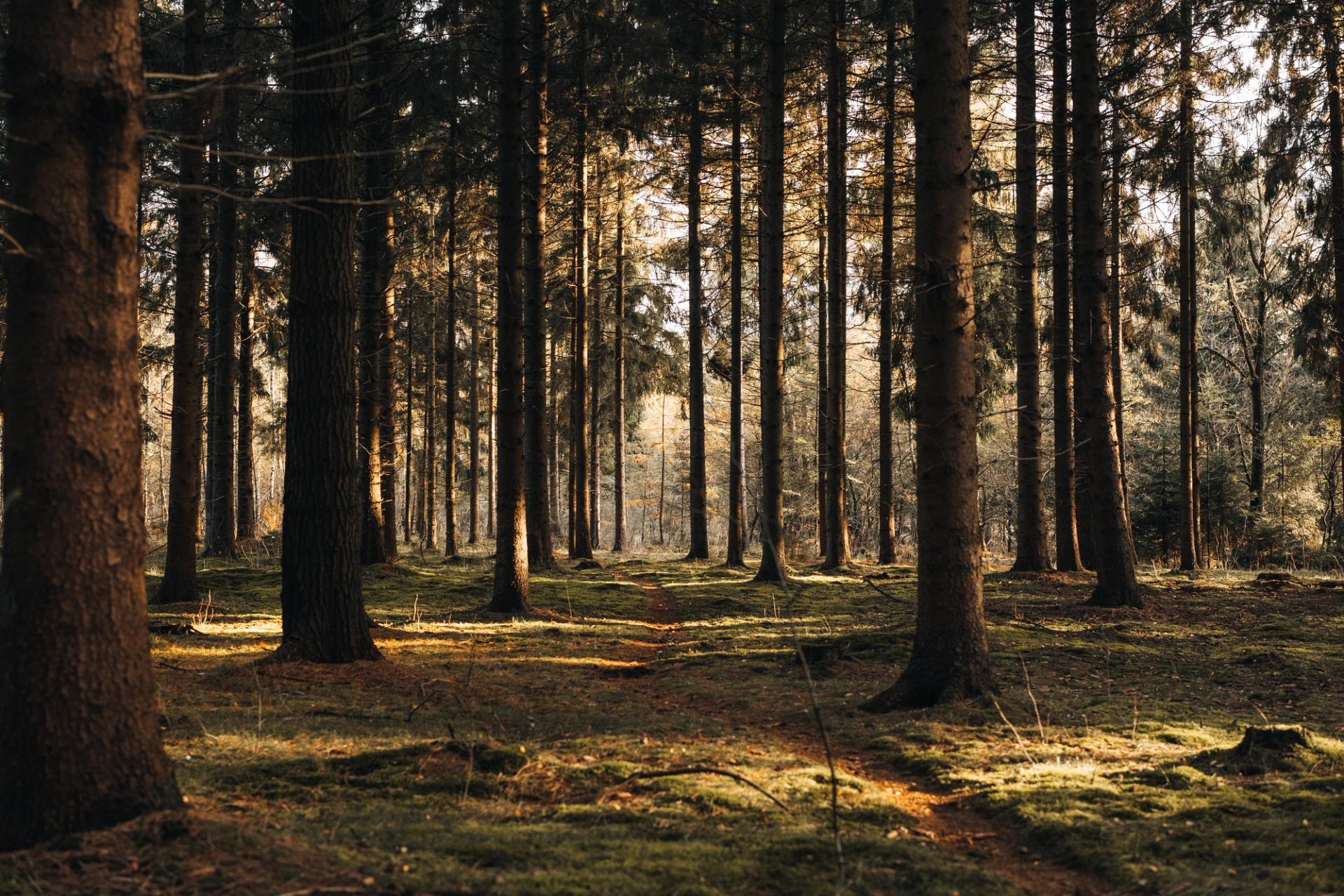
The ice also left behind glacial boulders, carried down from Scandinavia. Much later the first farmers piled those stones into dolmens: burial monuments that mark the landscape to this day. They still stand, quiet between the woods and the heath, as if time paused there for a moment.
Heath, field and stream valley
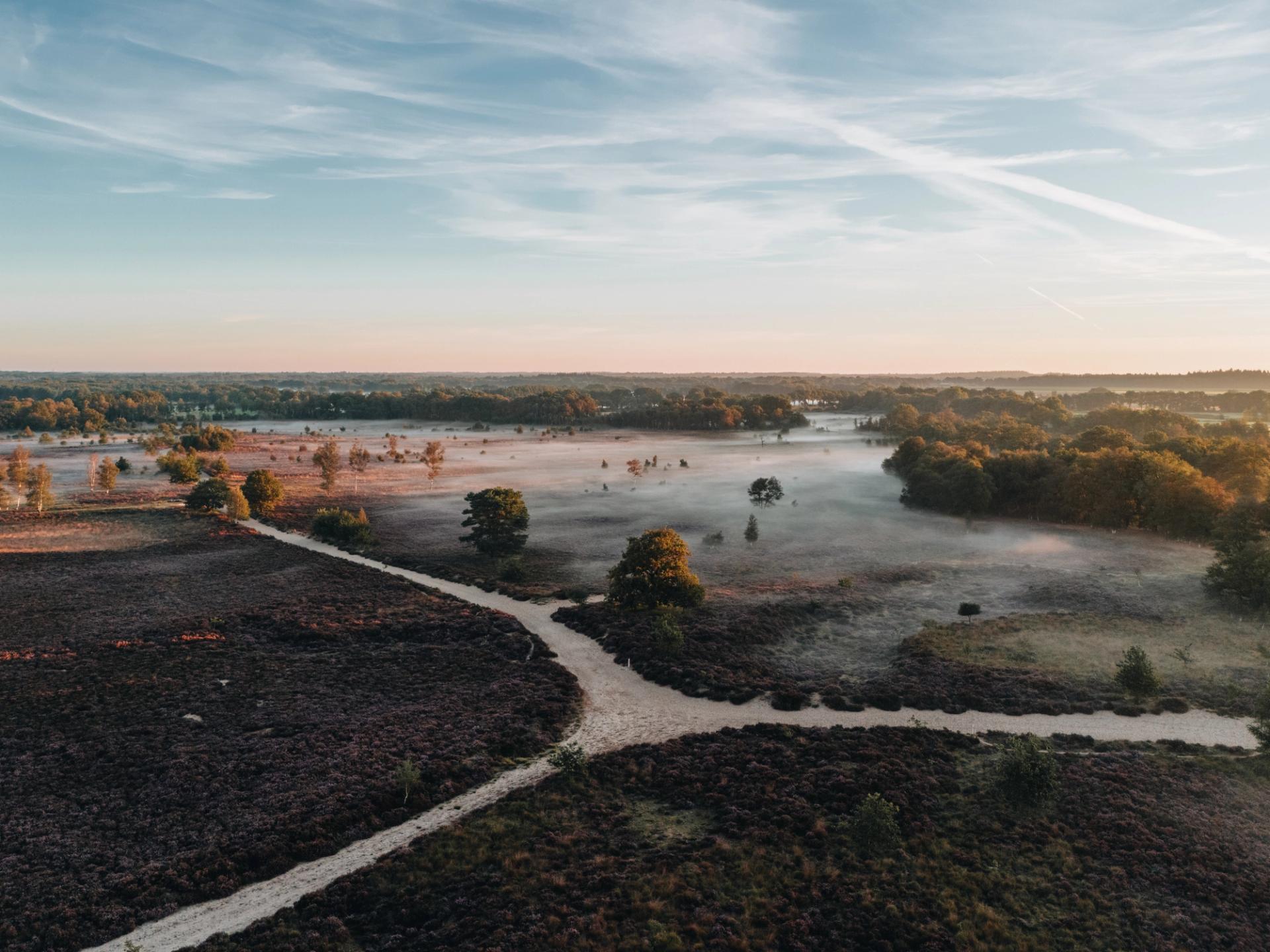
On and around the ridge the landscape folds together: open heath that turns purple in late summer, old fields fertilised over generations, and lower-lying stream valleys where the water finds its own way. It is a landscape of transitions, and the calm lies precisely in that.
A landscape to slow down in
Perhaps that is what makes the Hondsrug so special: it invites you to go slower. The horizon is low, the sky is high, and you mostly hear wind and birds. Stay here for a few days and you notice that time begins to run differently.
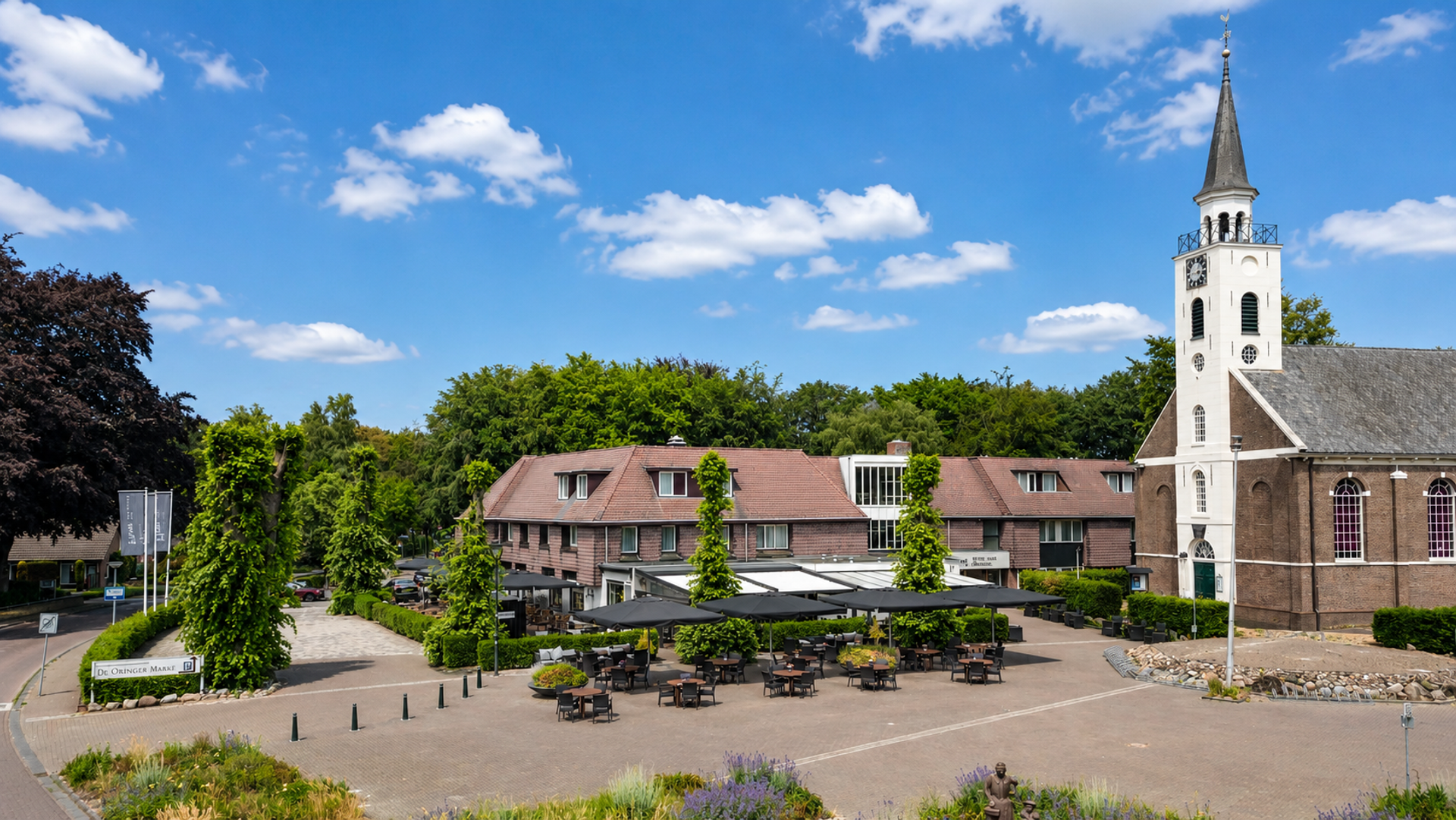
Staying in Odoorn
Odoorn lies in the middle of this story, between the ridge and the stream valley. De Oringer Marke makes a quiet base for anyone who wants to discover the landscape at their own pace.