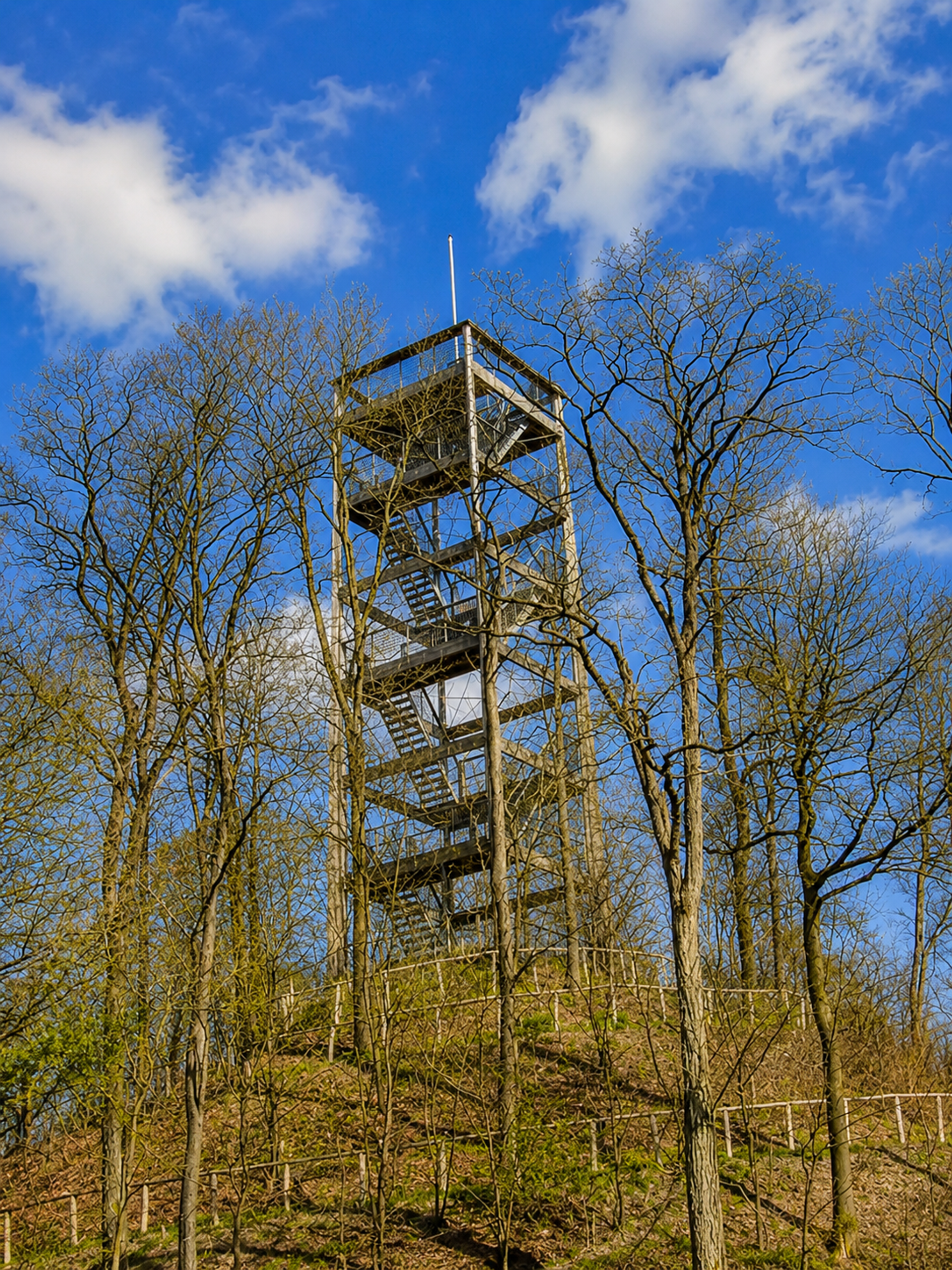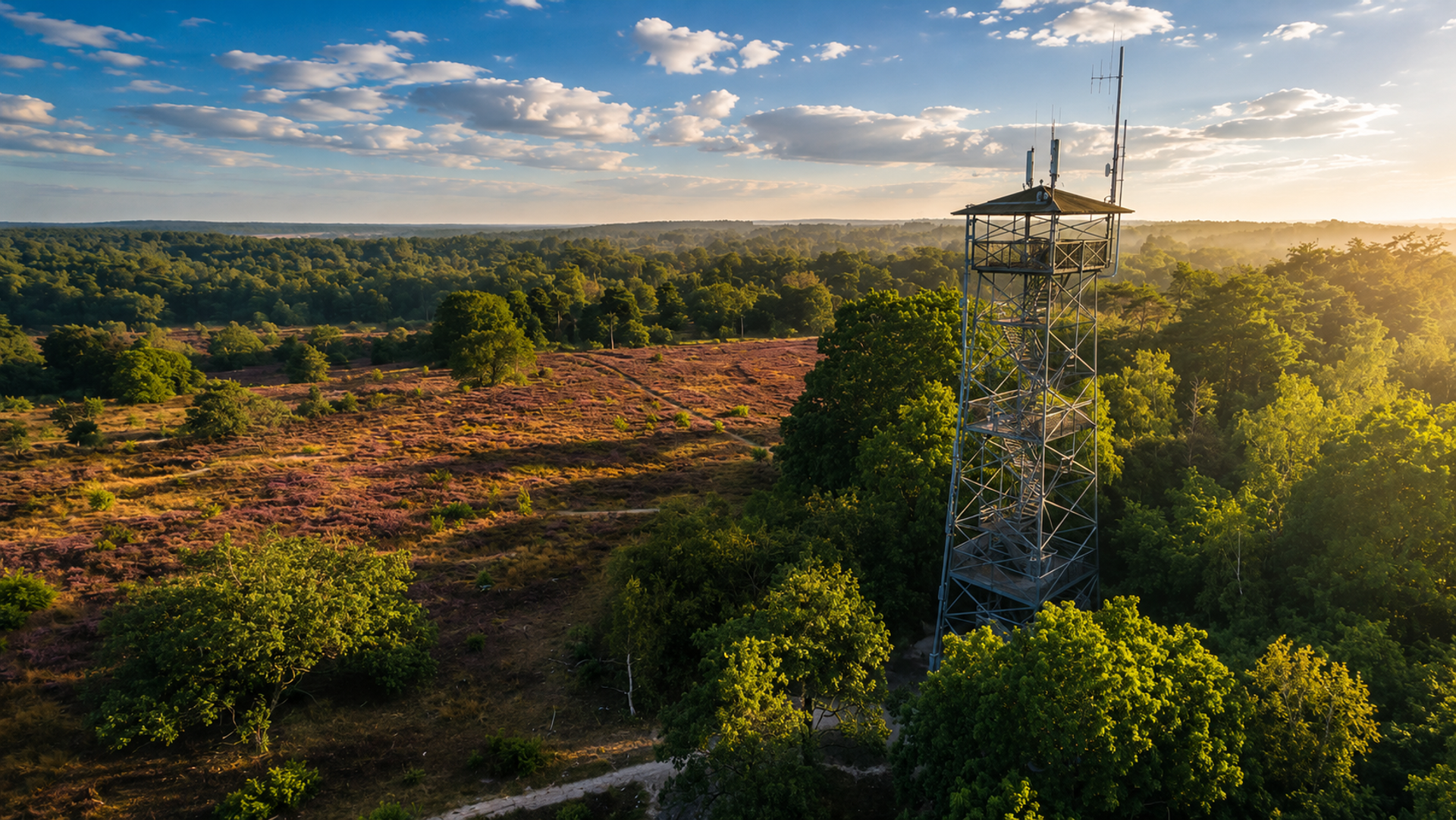
Across the Besthmenerberg: forest, heath and the finest view in Ommen
6 km · 1h 30m · Moderate

Nature
Achterhoek
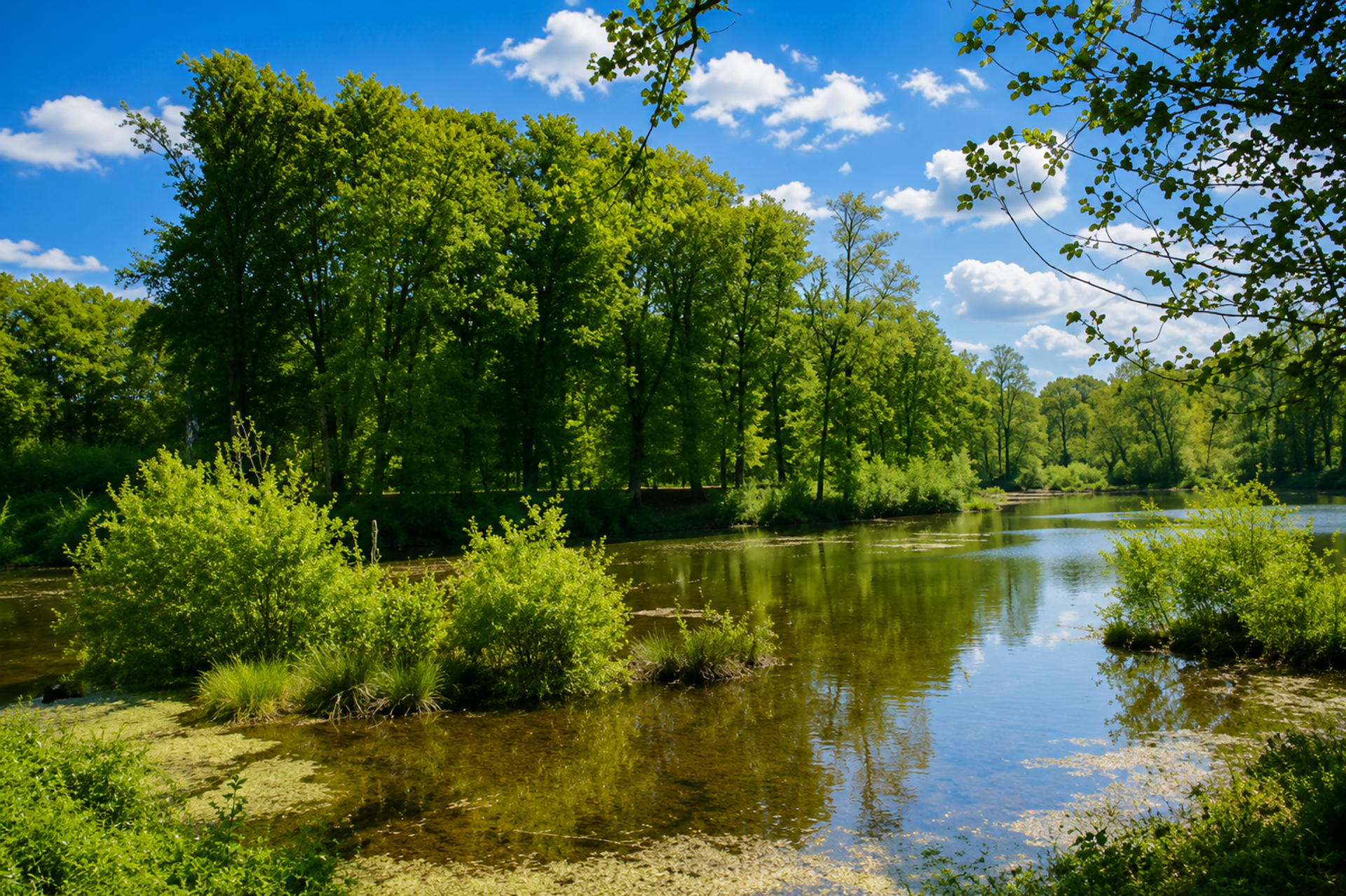
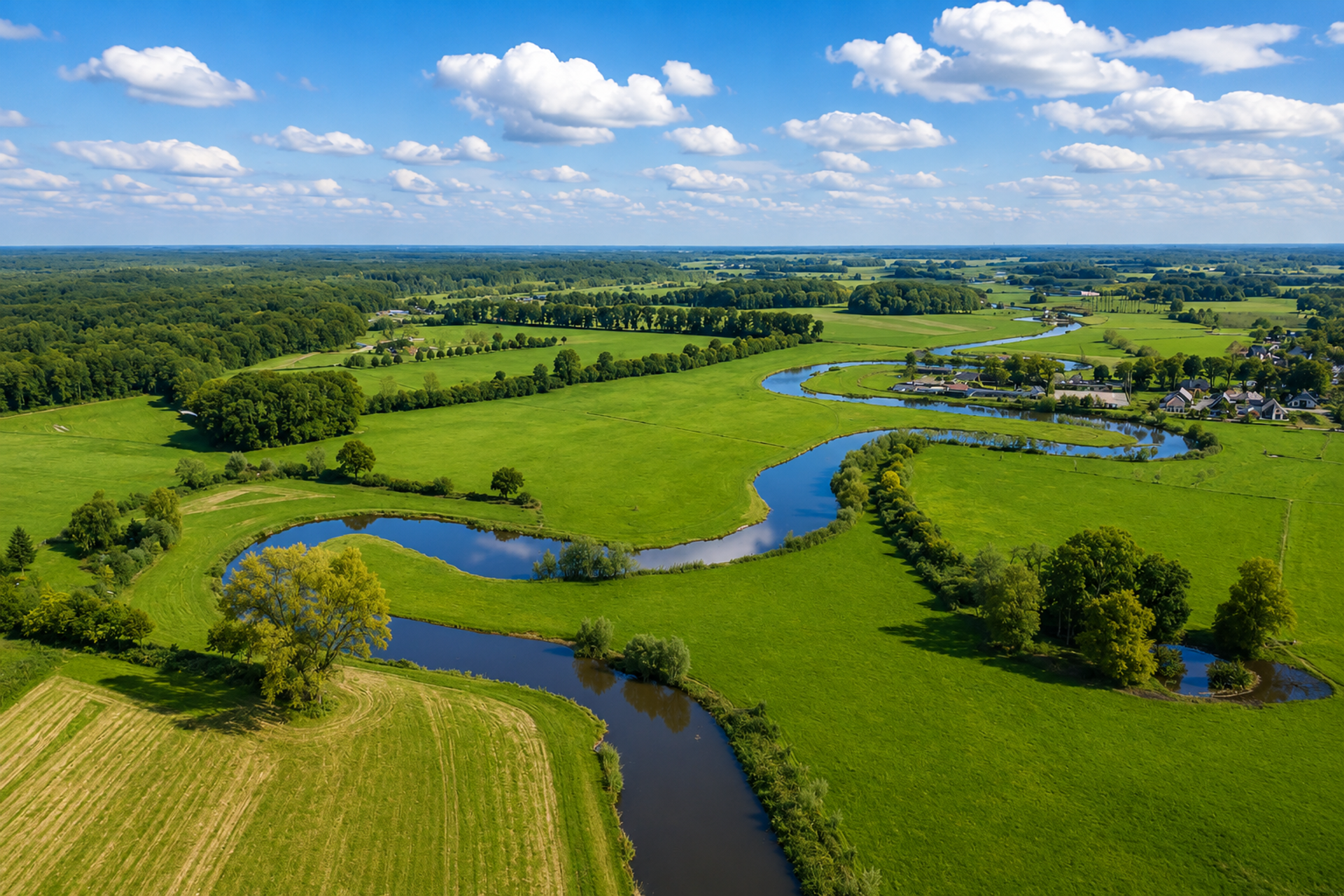
The Berkel rises in Billerbeck in Germany and winds more than a hundred kilometres westward, past Eibergen, Borculo, Lochem and Almen, until it flows into the IJssel at Zutphen. The Berkel valley is the broad, leafy landscape the river carved along the way — a region of water meadows, pollard willows and old streamside woods. Near Lochem you feel how the river sets the pace of the land: slow, meandering, in no hurry at all.
Part of the Berkel was straightened in the twentieth century, but between Lochem and Almen the river is being given back its natural course. More variety is created for plants and animals, fish passages at the weirs open up the upper reaches again, and the valley grows ever more beautiful to walk through. You walk along reed fringes and wet grasslands where the water glints among the green.
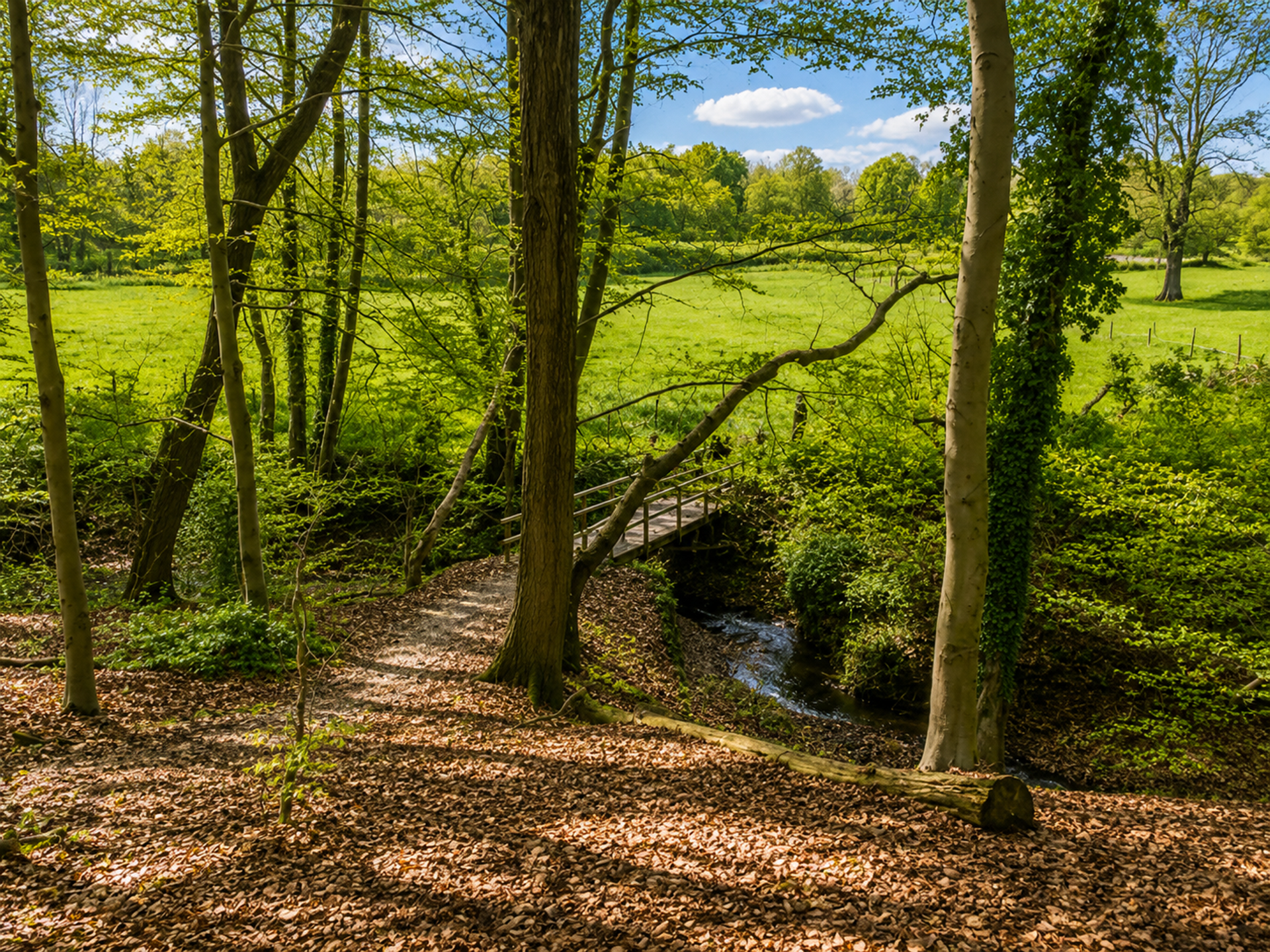
Wear waterproof shoes: some stretches along the bank can be marshy, especially after rain. It is precisely those untamed edges that make the valley so alive — here nature is back in charge.
The Berkel valley is laced with paths. The Almen–Lochem stage of the Berkelpad follows the river over some twelve kilometres, and shorter loops from Lochem take you through the valley and back along the Lochemse Berg. Cyclists find flat, quiet routes along the banks that link one village to the next.
Come in early spring when the water is high, or in autumn when the willows turn. Take time for a bench at the water's edge and listen: the murmur of the Berkel is the softest sound of the Achterhoek.
Best seasons
Spring · Summer · Autumn
Things to do
The Berkel rises in Billerbeck in Germany and flows over a hundred kilometres via Eibergen, Borculo, Lochem and Almen to the IJssel at Zutphen.
Yes. The Almen–Lochem stage of the Berkelpad follows the river over some twelve kilometres, and there are shorter circular walks through the Berkel valley. Waterproof shoes are advisable, as some stretches can be marshy.
Yes. Between Lochem and Almen the river is regaining its natural course, with more variety for plants and animals and fish passages at the weirs that make the upper reaches accessible again.